

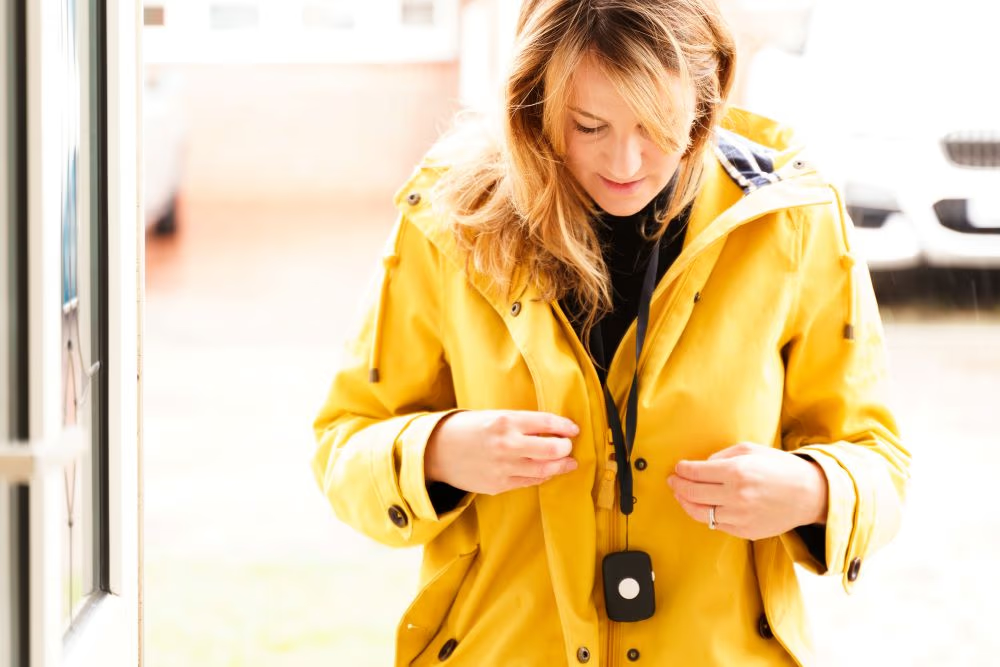
Three things set the best lone worker devices apart: who picks up when the button is pressed, whether the alarm gets through when the strongest network drops out, and whether staff are still wearing it six months after rollout. A lone worker device is a personal alarm with its own SIM card, worn on a lanyard, clipped to a belt or built into an ID badge. Nearly all have an SOS button, two-way audio, GPS and fall detection, so spec sheets read alike.
The seven best lone worker devices in the UK are the Vatix Safe Pro Device, Peoplesafe MySOS ID Badge 4G, SoloProtect ID Touch, Reliance Protect ID+, Safepoint Lone Worker Device, Blackline Safety G8 Lone Worker and Orbis Protect RedAlert ID Pro, from discreet ID badges to rugged industrial units.
Lone worker devices at a glance
| Device | Form factor | Automatic alarms | How alarms are monitored | Best suited to |
|---|---|---|---|---|
| Vatix Safe Pro Device | Lanyard device, up to 7 days' battery | Fall detection (add-on) | UK accredited Alarm Receiving Centres, 24/7 | Devices and app users on one platform |
| Peoplesafe MySOS ID Badge 4G | ID badge, up to 90 hours' use | Man down: fall, non-movement and orientation | Own Category 1 ARC, 24/7 | Large rollouts needing several device types |
| SoloProtect ID Touch | Touchscreen ID badge, charged daily | Man Down (optional), rip pin | Own ARC in Sheffield, 24/7 | Customer-facing roles where discretion matters |
| Reliance Protect ID+ | ID badge, or the Pulse+ key fob | Fall detection | Own ARC, 24/7 | Frontline teams who already wear ID |
| Safepoint Lone Worker Device | 53 g clip-on fob, 3 to 5 days' battery | Fall detection | ADT's Category 1 ARC, 24/7 | Smaller teams starting quickly |
| Blackline Safety G8 Lone Worker | Rugged clip-on with push-to-talk | Falls and no-motion | Your own team, an ARC partner or Blackline | Industrial sites that also need gas detection |
| Orbis Protect RedAlert ID Pro | ID card holder, or the Fob Plus | Fall or tilt sensors, optional rip alarm | Own ARC with mobile response teams | Security-led response with officers who attend |
Every device here opens a voice call when the button is pressed, so the columns worth reading twice are monitoring and automatic alarms.
What to look for in a lone worker device
Who answers the alarm
With an Alarm Receiving Centre accredited to BS 8484:2022, a trained operator answers within seconds, listens in, sees the wearer's location and follows the escalation plan you agreed. Accredited centres can pass a verified alarm straight into a police control room, skipping the 999 queue.
Some devices can alert your own supervisors instead. That works on a staffed site with a control room. For someone working alone at 9pm on a Sunday, it relies on a manager who may be asleep or driving. Check what the certificate covers, too, since a device, a platform and a monitoring centre can each be certified separately.
What happens when the signal drops
A device locked to one network fails where that network is weak: basements, plant rooms, steel-framed buildings, rural roads. A roaming SIM solves most of this by switching to whichever of O2, Vodafone, EE or Three is strongest on the spot, and Wi-Fi calling helps indoors. Only satellite works with no mobile coverage at all. Steer clear of 2G-only devices, since UK networks have switched off 3G and are winding 2G down.
Fall, no-movement and false alarms
Someone who falls from a ladder or collapses in a plant room cannot press a button. Fall detection reacts to an impact. No-movement detection, often sold as man down, reacts when someone stops moving for a set time, which catches a collapse with no fall. For work at height, ask how the device treats a worker hanging upright in a harness, since an orientation check can miss them.
Sensitivity matters as much. A device that fires every time it is dropped on a desk embarrasses the wearer and ends up in a drawer. Look for a cancel window before the alarm is sent, and check whether fall detection is included or charged per device.
Whether people will wear it
The best device on paper does nothing in a van glovebox. Badge devices hang where staff already wear ID, so they stay on and stay discreet in front of a hostile customer. Fobs and lanyard devices suit people who don't wear ID, and rugged clip-ons suit industrial work. Battery decides the rest, because a device that needs charging every night will be flat on the morning someone forgets. If devices pass between shifts, check how quickly one can be reassigned so the operator sees the right name.
The seven lone worker devices
1. Vatix Safe Pro Device
Overview
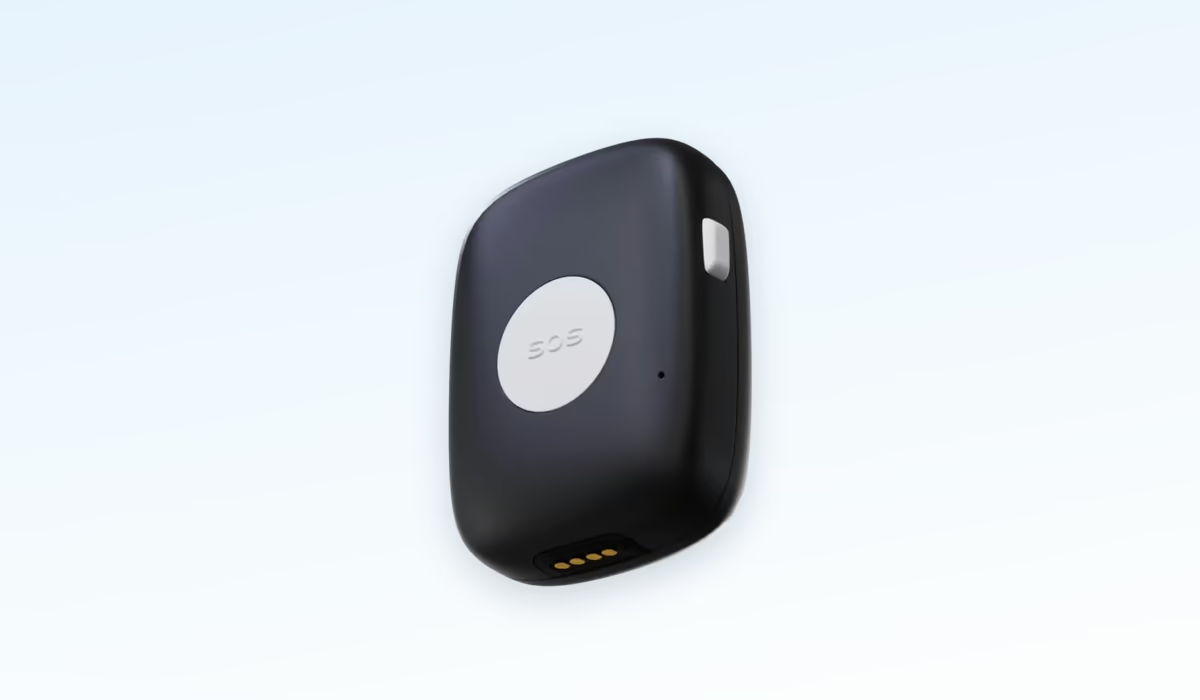
The Safe Pro Device is a compact SOS alarm on a quick-release lanyard. One press opens a two-way call to our UK-based Alarm Receiving Centres, accredited to BS 8484:2022 and staffed around the clock by trained operators. Devices share a portal with the Vatix lone worker app, on the platform that also runs incident reporting, audits and risk.
Strengths
- A 4G roaming SIM across O2, Vodafone, EE and Three, with GPS and Wi-Fi positioning.
- Up to seven days on a charge, and IP67 rated.
- Fall detection gives the wearer ten seconds to cancel before the alarm reaches the ARC.
- Devices pass between shifts, so you need one per person on duty at a time.
- Published pricing: £8.30 to £17.70 per device per month excluding VAT, with monitoring, the SIM and alarm calls included.
What to check
There is one model, with no badge, ATEX or satellite version, so hazardous-area or off-grid work needs a specialist device alongside it. Fall detection costs £1 per device per month, while app licences include it, and 12-month contracts carry a one-off £60 per device.
Best for
Organisations that want devices for higher-risk roles and the app for everyone else, in one lone worker safety service.
2. Peoplesafe MySOS ID Badge 4G
Overview
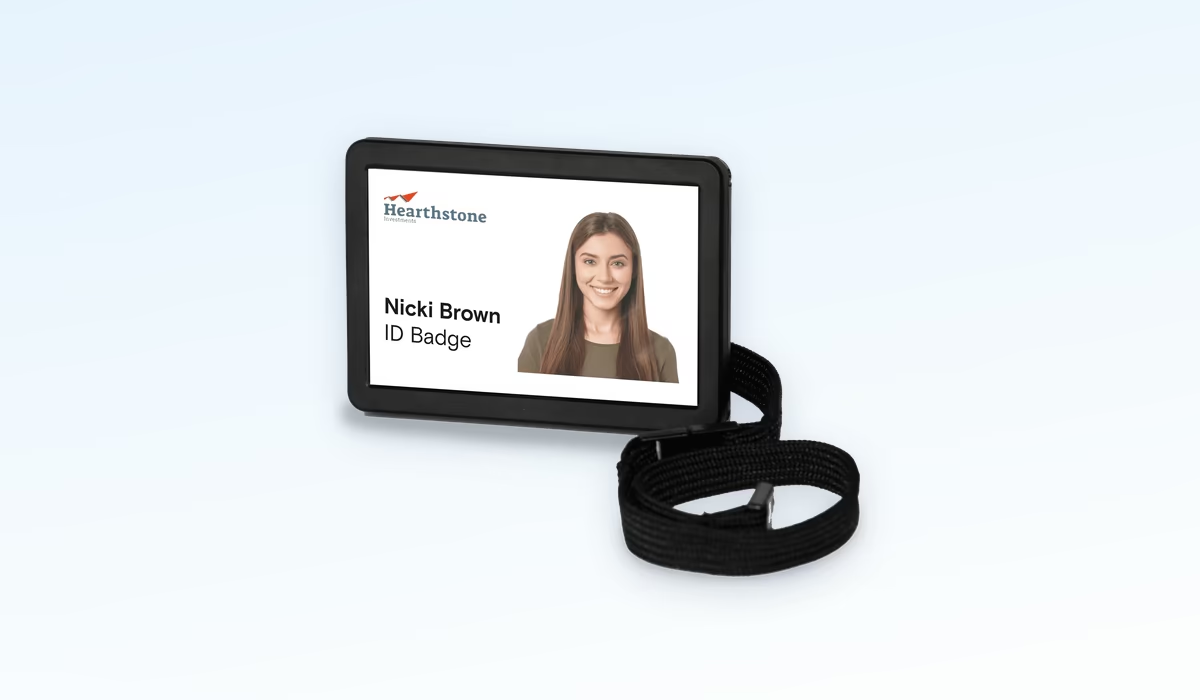
Peoplesafe has the broadest device range in the UK, built from Skyguard, Guardian24 and other former providers, and LONEALERT's customers are now moving to it too. The MySOS ID Badge 4G is its flagship, monitored by Peoplesafe's own Category 1 Alarm Receiving Centre.
Strengths
- Badge, fob, the ATEX and IECEx approved TWIG Ex, and SPOT satellite alarms from one supplier.
- Man down combines a fall, non-movement and orientation, and allows for workers held upright in a harness.
- Roaming 4G with 2G backup, and up to 90 hours of use on a charge.
- Its BS 8484:2022 ARC answers in four seconds on average, with what3words location.
What to check
Peoplesafe prices on request, with fall detection and roaming among the options that move the figure. The SPOT satellite alarms don't carry man down, so remote workers trade automatic alerts for reach.
Best for
Large and public sector rollouts that need several device types, including hazardous-area and satellite units.
3. SoloProtect ID Touch
Overview
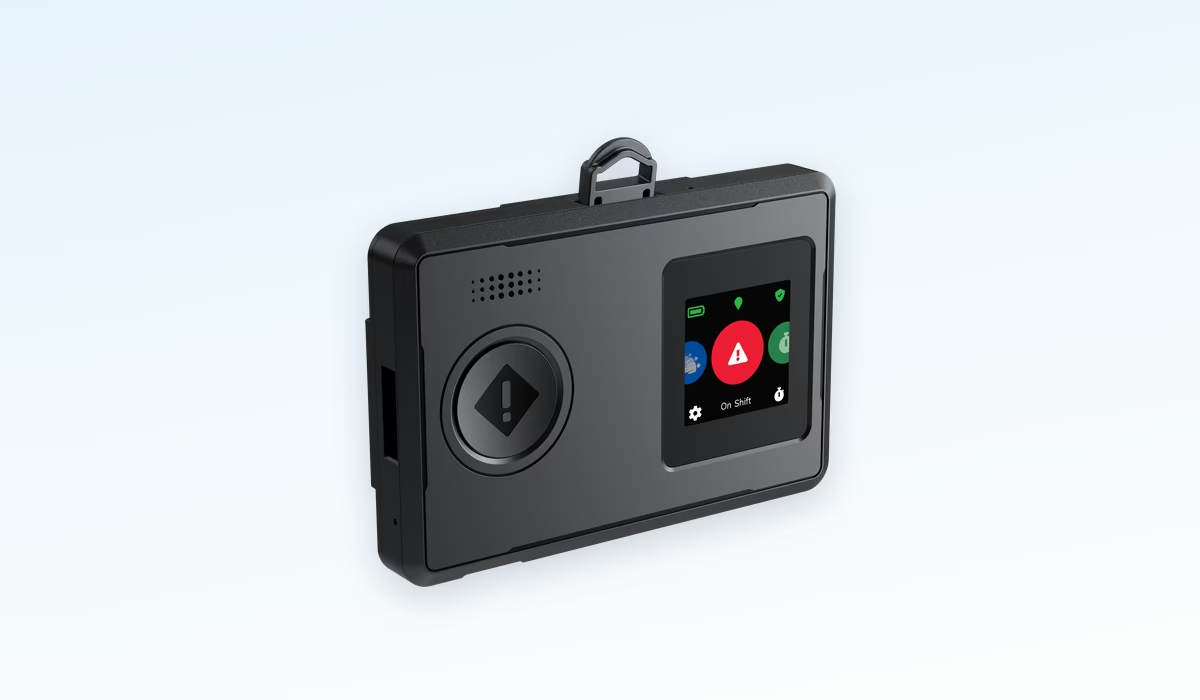
SoloProtect pioneered the ID badge alarm and runs its own EN 50518 certified Alarm Receiving Centre in Sheffield. The ID Touch is its touchscreen badge, alongside the Curve fob, the rugged Shield and the compact Mini, and every SoloProtect device is BS 8484 accredited.
Strengths
- A rip pin raises an alarm if an assailant pulls the device off its lanyard.
- A roaming 4G SIM, plus Wi-Fi calling inside your own buildings.
- Discreet activation and an IP67 rating, in a badge that looks like ordinary ID.
- Hardware, software and monitoring all in-house.
What to check
The touchscreen badges last up to 24 hours depending on use, so they need charging every day. Man Down is optional on the ID Touch, so confirm it is in your quote. Pricing is on request.
Best for
Housing officers, enforcement staff and other customer-facing roles that need to call for help without anyone noticing.
4. Reliance Protect ID+
Overview
Reliance Protect builds an SOS alarm into an ID badge holder, monitored by its in-house Alarm Receiving Centre, which looks after around 50,000 users. The ID+ is BS 8484 compliant, and the Pulse+ key fob covers staff who don't wear ID.
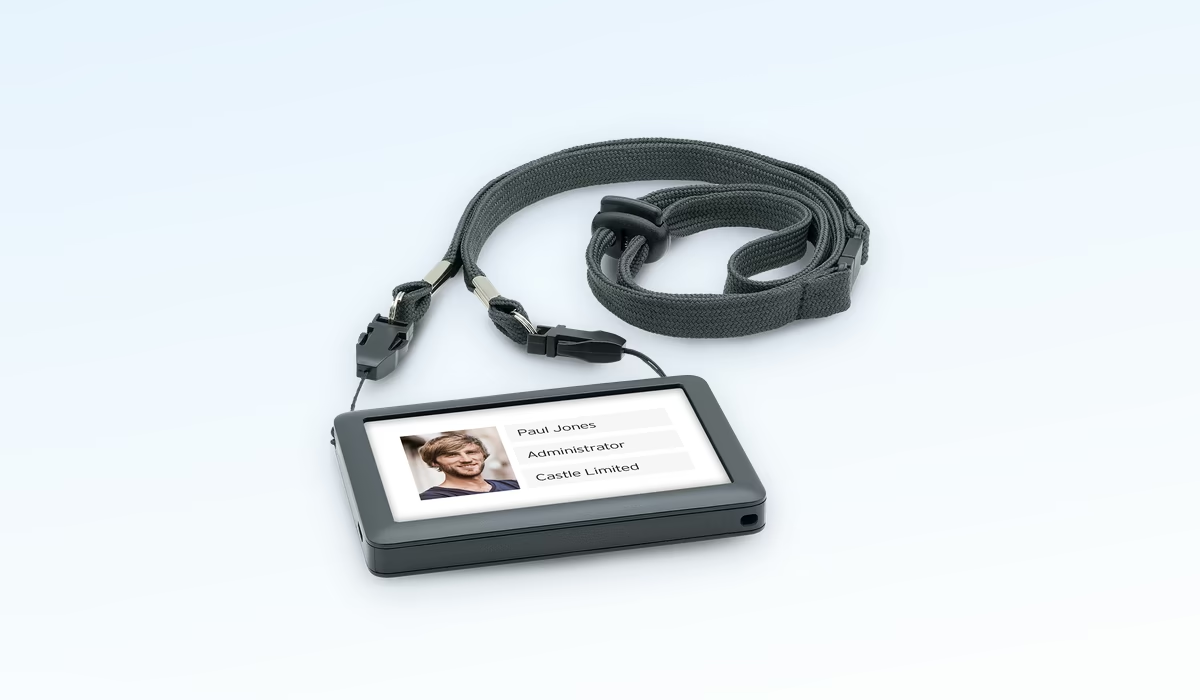
Strengths
- Voice over 4G, so an alarm opens a clear two-way call.
- Fall detection, GPS and Wi-Fi location, and a monitor timer for higher-risk visits.
- IP67 rated, in a format staff already wear every day.
What to check
The range is two devices and an app, with nothing for hazardous areas or satellite. Ask for battery life on a real shift with location on. Pricing is on request.
Best for
Frontline teams who already wear an ID badge and want the alarm inside it.
5. Safepoint Lone Worker Device
Overview
Safepoint's device is a 53 g fob that clips to a belt or lanyard and runs on its own multi-network SIM. Alarms go to ADT's Category 1 Alarm Receiving Centre under BS 8484:2022, and devices share a dashboard with Safepoint's app.
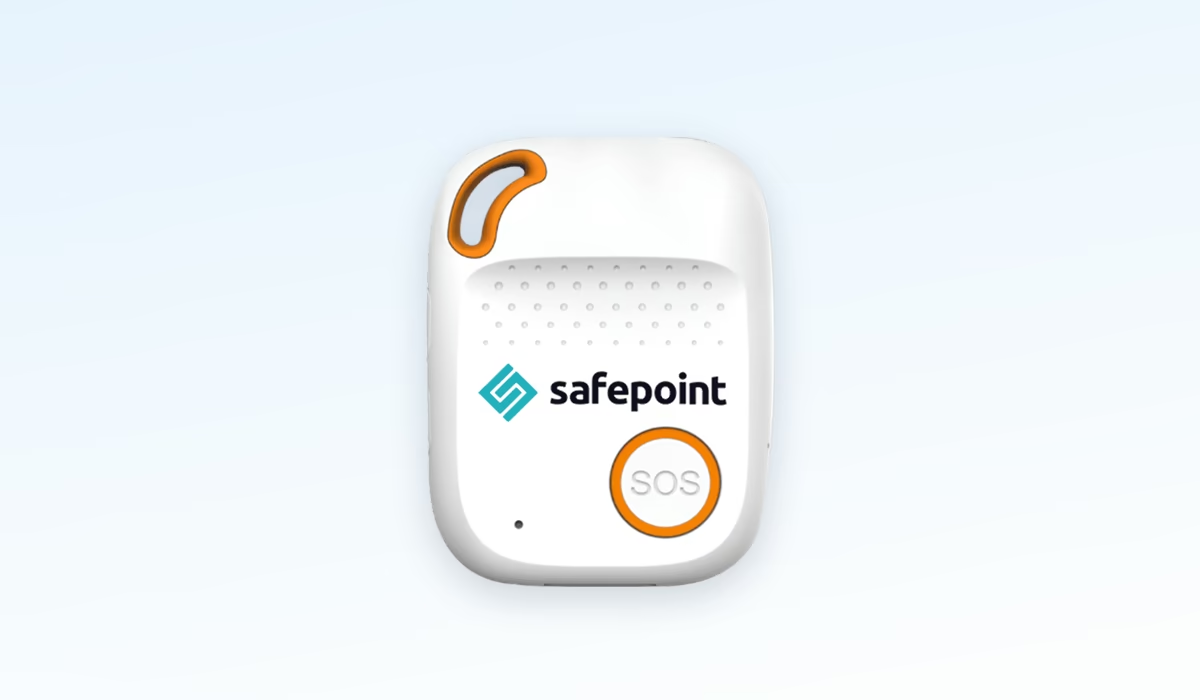
Strengths
- One tap opens a hands-free two-way call and shares live GPS location.
- Fall detection and a three to five day battery.
- Devices can be reassigned in moments.
- You can buy online, from £14.99 a month on a three-year term to £18.99 on one year, plus a set-up fee.
What to check
Monitoring is ADT's, so ask for the service level behind your escalation. There is one model, with no badge, ATEX or satellite version, and teams working outdoors should ask for its water and dust rating.
Best for
Smaller teams that want devices working within days.
6. Blackline Safety G8 Lone Worker
Overview
Blackline is a Canadian maker of connected safety wearables. The G8 Lone Worker is a rugged clip-on device on 4G LTE that switches carriers automatically, and other G8 models add gas detection.
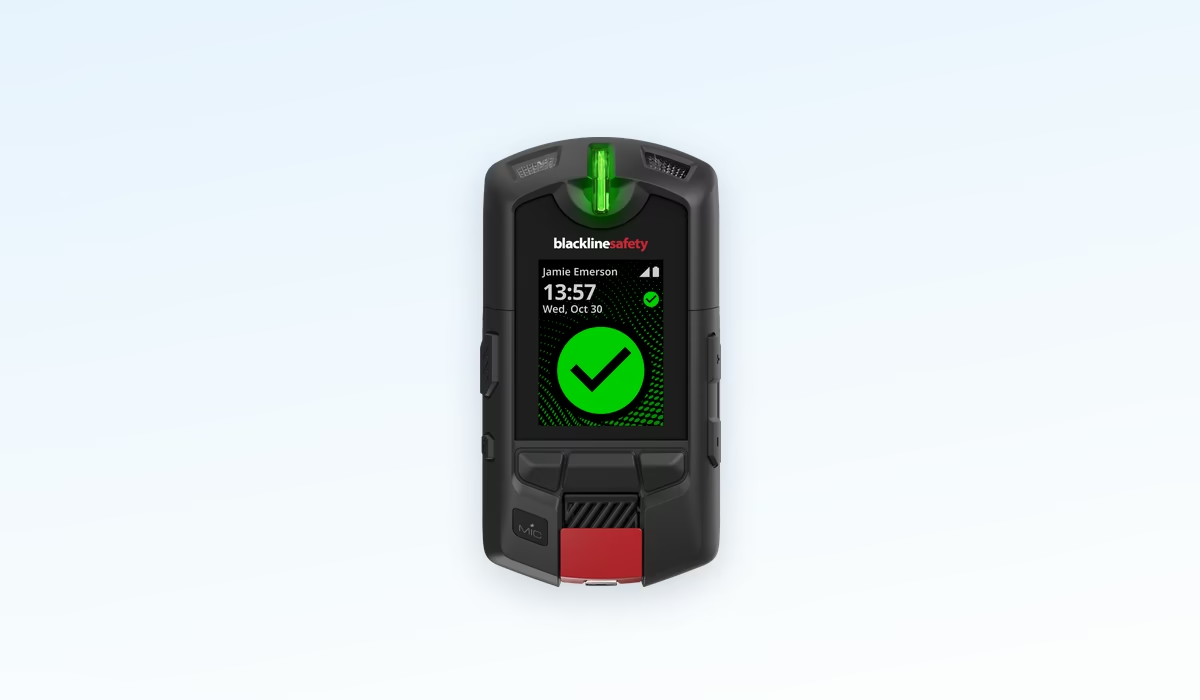
Strengths
- Fall, no-motion, silent and emergency SOS alerts, which suit plant rooms and work at height.
- Push-to-talk turns it into a two-way radio.
- TagAssign lets a worker tap an NFC tag to take a device at the start of a shift.
- Monitoring by your own control room, an ARC partner or Blackline's 24/7 Safety Operations Center.
What to check
The £27 per device per month starting price is for a four-gas detector on a four-year term paid upfront, and live monitoring needs the higher plan. Blackline's BS 8484:2022 certificate was issued for the G7c, so ask for the G8's.
Best for
Industrial sites that want lone worker monitoring and gas detection from one supplier.
7. Orbis Protect RedAlert ID Pro
Overview
Orbis Protect is a UK security company with more than 40 years in site and property protection. The RedAlert ID Pro is an IP67 ID card holder on 4G with multi-network roaming, and the RedAlert Fob Plus connects over 2G, 4G or Wi-Fi. Both are answered by Orbis's own accredited Alarm Receiving Centre.
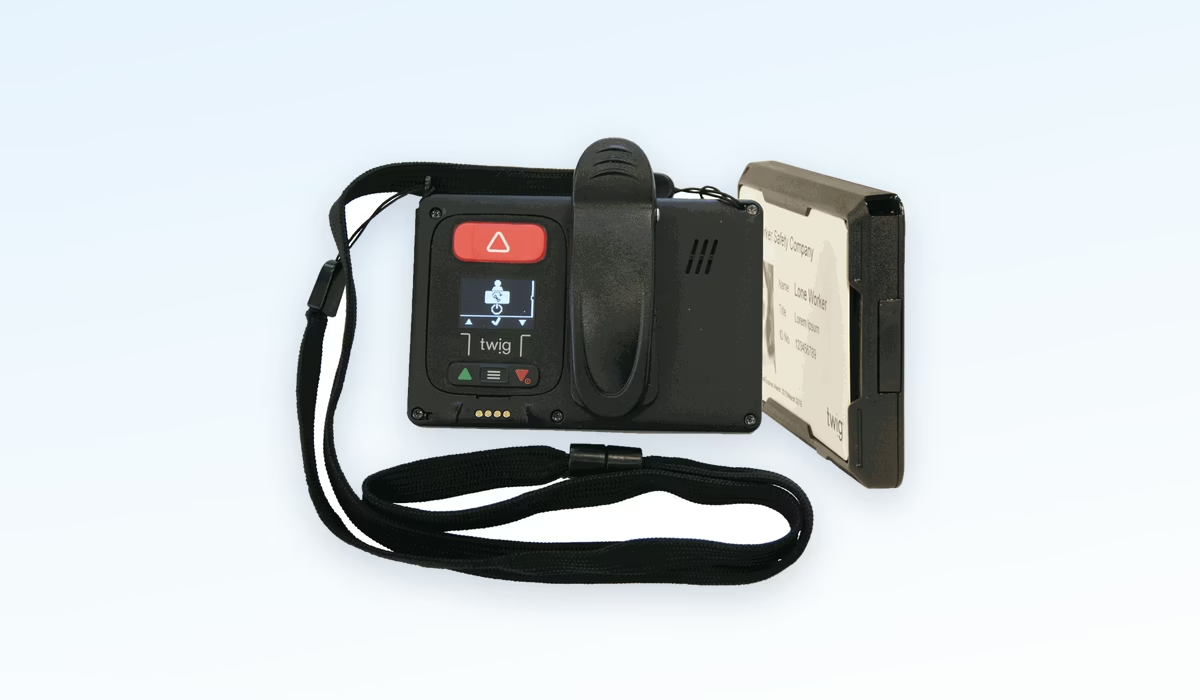
Strengths
- SIA-trained operators can send mobile response teams or keyholders as well as the police.
- Fall or tilt sensors, and an optional rip alarm.
- Silent monitoring lets operators listen in when the wearer cannot speak.
What to check
The ID Pro's satellite positioning is GPS, so alarms still need mobile coverage. Ask for battery life on a full shift and which devices the BS 8484 certificate covers. Pricing is on request.
Best for
Organisations that already pay a security company for keyholding and patrols and want the same people answering their alarms.
How to choose
- Start with your lone working risk assessment. If violence is a credible risk, a discreet badge and an accredited ARC come first. If the risk is a fall or a collapse, man down and no-movement detection come first.
- Decide which roles need a device. Rarely all of them. Staff who carry a smartphone all day can be covered for less by an app. Our guide to the best lone worker apps compares those, including StaySafe and Vismo, which pair an app with a Bluetooth button, and the devices versus apps guide goes through the split role by role.
- Test on your worst site. Give a device a week on the site with the weakest signal, charged and handed over the way your shifts run.
- Then compare price on the same brief for every provider: number of devices, contract length, monitoring, and fall detection on or off.
Protect your lone workers with the Safe Pro Device
Tell us which roles need a device and we will price the Safe Pro Device, and app licences for everyone else, to match your risk assessment.
Get a Demo